

If you’ve ever walked past an industrial facility on a hot day, chances are you’ve seen a cooling tower doing the heavy lifting of keeping equipment from overheating. But there’s a less obvious hero in many of these setups: the closed circuit cooler. As a supplier who’s spent the last 12 years installing and maintaining these systems across manufacturing, food processing, power generation, and HVAC industries, one question comes up more than any other: What is the lifespan of a closed circuit cooler? It’s not a one-size-fits-all answer, but understanding the factors that shape this timeline helps buyers make smarter investments—something I’ve learned the hard way after replacing and servicing units that should have outlasted their operators, and some that failed prematurely due to avoidable missteps.
Let’s start with the basics to ground this. A closed circuit cooler works by circulating a process fluid through a sealed, internal loop, so it never comes into direct contact with the external water or air that cools it. This is a key difference from open cooling towers, which are more exposed to environmental contaminants. The sealed loop is supposed to reduce corrosion and fouling, but that doesn’t mean closed circuit coolers last forever.
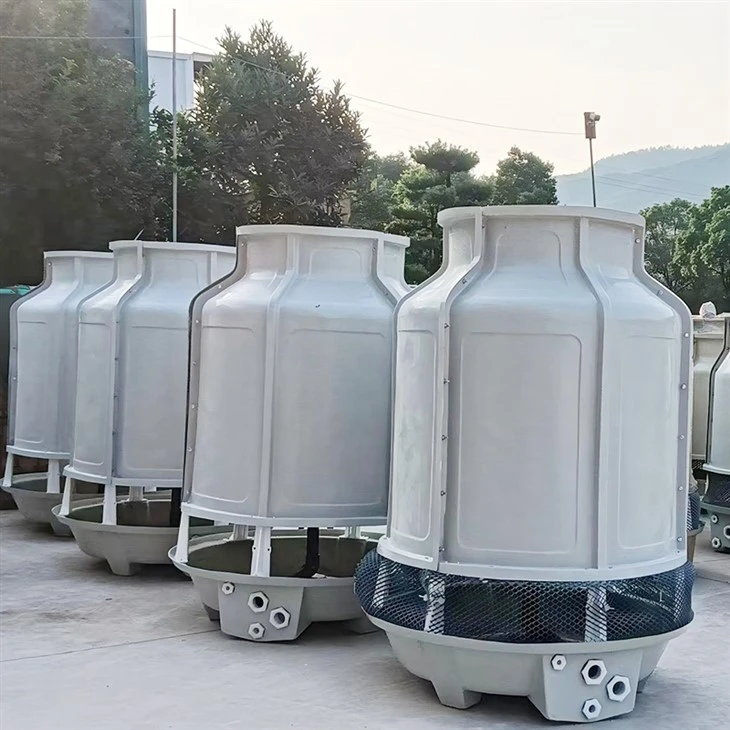

First, let’s talk about the ideal, well-maintained lifespan. From my experience and the engineering data we reference, a properly specified, installed, and serviced closed circuit cooler can run reliably for 15 to 25 years. I’ve seen units in food processing plants that have hit the 20-year mark with only routine maintenance, and others in mild climates that are pushing 28 years with only minor component swaps (like fan belts or water pumps). But that’s the upper end. The average for units that are installed correctly but not serviced aggressively is 10 to 15 years, and we see a lot of knock-on effects from cutting corners at any stage.
The biggest factor that throws this timeline off is water chemistry. Even though the process fluid is sealed, the external side of the cooler—where the heat is rejected—uses a secondary water supply. If that water isn’t treated properly, minerals like scale, sediment, and biological growth (biofilm) will build up on the heat transfer surfaces. Scale acts like an insulator, making the cooler work harder and raising operating temperatures, which stresses internal components over time. Biofilm, meanwhile, harbors bacteria that can eat away at metal surfaces (even corrosion-resistant ones) and clog pipes. A few years ago, we took over maintenance for a 7-year-old closed circuit cooler in a textile plant where the prior team skipped water treatment checks. The copper tubes were pitted so badly that we had to replace the entire internal loop, adding 40% to their annual operating cost and cutting their projected lifespan by 8 years. This is why investing in a reliable water treatment program is non-negotiable for hitting that 15+ year mark.
Next is build quality. Not all closed circuit coolers are made equal. When we work with new customers, we often see units that were purchased based on upfront cost rather than long-term durability. Things like the gauge of the steel casing (thinner steel will rust faster in humid or salt-air environments), the type of coil material (copper is more resistant to corrosion than plain steel, but even stainless steel has grades that perform better), and the quality of the fan and motor components all make a difference. For example, our corrosion-resistant cooling tower line is built with galvanized steel casing and epoxy-coated coils, designed to handle harsh industrial and coastal environments. We had a customer in a Gulf Coast refinery switch to our corrosion-resistant closed circuit coolers 8 years ago, and their replacement schedule for these units is half what it was for their old, cheaper models. Choosing a cooler built for your specific operating environment isn’t a luxury—it’s how you set the stage for a longer life.
Then there’s installation. A cooler that’s installed incorrectly will never perform up to its potential, no matter how well it’s built. Things like improper airflow (a too-tight enclosure around the cooler can restrict air flow, making it work overtime), incorrect piping connections (which can cause leaks or uneven fluid distribution), and lack of proper drainage (standing water in the base will corrode the bottom of the unit over time) all add up. I once met a food manufacturer who had a closed circuit cooler fail at 6 years old because the installing team had left a puddle in the base after a rainstorm. The steel at the bottom rusted through, and by the time they noticed, the internal pump was damaged beyond repair. Taking the time to work with a trusted installer (or a supplier who offers end-to-end installation support) isn’t a step you should skip to save a few dollars upfront.
Maintenance, of course, is the final piece of the puzzle. Routine checks aren’t just a box to tick—they’re how you catch small problems before they become big ones. Our team recommends quarterly inspections of the cooler’s fan blades, pump pressure, water levels, and corrosion inhibitors, plus an annual deep clean of the heat transfer surfaces. For portable units, like our round portable cooling towers that are moved seasonally, you also have to inspect for damage during transport and adjust the water treatment as needed, since they’re often used in new environments. High-temperature closed circuit towers, for example, run at higher process fluid temperatures, so their components need more frequent checks to ensure they can handle the extra heat load.
There are also external factors that come into play. Units in harsh environments—like coastal areas with salt air, industrial zones with high levels of air pollution, or regions with extreme temperature swings—tend to have shorter lifespans. Salt, for example, accelerates corrosion on metal surfaces, so a cooler in Florida or Texas will need more frequent maintenance than one in a dry, temperate area. The type of cooler also matters: cross flow and counterflow cooling towers, for instance, have different airflow patterns that affect how much dirt and debris gets pulled into the unit. Cross flow models, with their larger air intakes, might need more frequent filter changes to prevent fouling, which can shorten their lifespan if ignored. Closed cell cooling towers, on the other hand, have a sealed secondary loop that’s more protected from environmental contaminants, so they often last a few years longer in dusty or dirty climates than open designs.
I also want to address a common misconception: some people think that once a closed circuit cooler is “past its prime,” it’s time to replace the entire unit. That’s not always the case. Small issues, like a clogged coil or a faulty pump, can usually be fixed for a fraction of the cost of a new unit. We’ve had customers keep their coolers running for years longer than expected by replacing individual components, rather than opting for a full replacement prematurely. But when major components like the internal coil or the main casing are irreparably damaged, that’s when it makes financial sense to invest in a new system—especially one that’s sized correctly for your current and future needs.
At the end of the day, the lifespan of a closed circuit cooler isn’t set in stone. It’s a balance of choosing the right system for your environment, installing it correctly, and maintaining it consistently. For businesses that rely on these systems to keep their operations running, investing in that balance pays off in lower long-term costs, less downtime, and more reliable performance.
If you’re looking to upgrade your current closed circuit cooler, or if you’re in the market for a new system tailored to your industry and operating conditions, our team can help you navigate the options. Whether you need a high-temperature model for heavy process loads, a portable unit for seasonal applications, or a corrosion-resistant design for harsh environments, we have solutions built to last. Contact our team today to discuss your needs and find the right cooler for your business.
References
- Cooling Technology Institute. (2022). Closed Circuit Cooler Design and Maintenance Standards. CTI Publication 202.
- American Society of Heating, Refrigerating and Air-Conditioning Engineers. (2021). HVAC Applications Handbook: Cooling Towers and Heat Rejection Equipment. ASHRAE.
- National Association of Corrosion Engineers. (2020). Corrosion Control in Industrial Water Systems. NACE International.
- Factory Mutual Global. (2019). Life Expectancy of Industrial Cooling Equipment. FM Global Technical Paper 5-10.