-
 Some sites are extremely noise-sensitive. Luxury hotels. High-end office buildings. Residential complexes. Research facilities. In these locations, even 65 dB(A) is too loud....
-
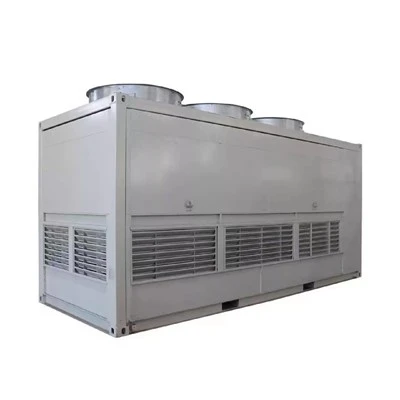
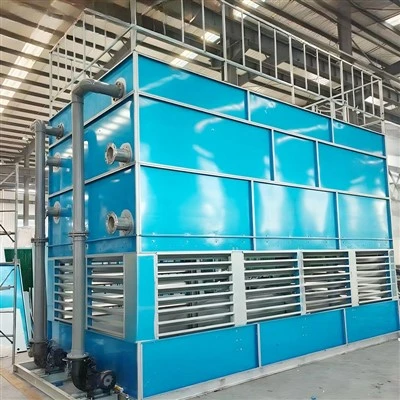
The Closed Circuit Fluid Cooler uses a closed-loop design. The cooling medium flows inside sealed coils. It does not touch outside air. This keeps the water clean. Our...
-
The Stainless Steel Cooling Tower uses stainless steel in critical parts. Stainless steel offers excellent corrosion resistance. It handles water with varying pH levels....
-
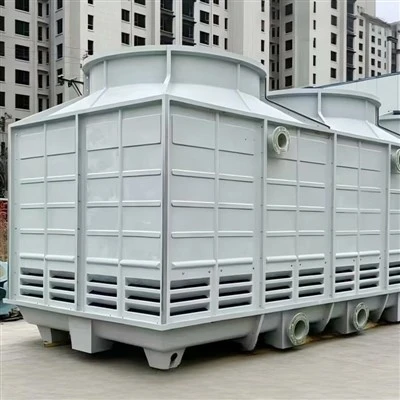
The Compact Square Closed Circuit Cooling Tower has a square shape. It fits easily into tight spaces. Customers say this tower is perfect for rooftops in city centers. It also...
-
The Low Noise Square Closed Circuit Cooling Tower offers two major advantages. First, the closed-loop design keeps water clean. It reduces maintenance. Second, the low-noise...
-
The Closed System Cooling Tower can run in dry mode or wet mode. In cool weather, it runs dry. This uses almost no water. In hot weather, it switches to wet mode. This gives...
-
The Closed Loop Cooling Tower has larger coils and heat exchange surface. It processes bigger water volumes. It meets the needs of large power plants, chemical plants, and...
-
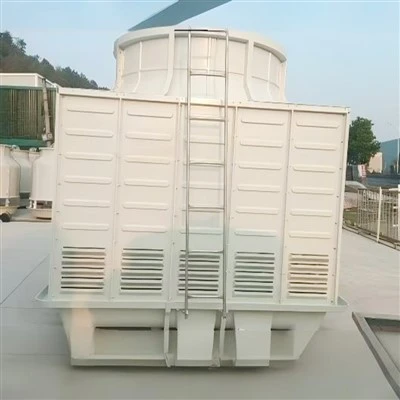
The Cross Flow and Counterflow Cooling Tower has a round shape. This gives even structural strength. The counter flow design means air and water flow in opposite directions....
-
The Corrosion-Resistant Cooling Tower uses special materials. The coils have anti-corrosion coating. Or we can use corrosion-resistant alloys. The FRP shell is naturally...
-
The Closed Type Cooling Tower uses a high-efficiency fan. The fan moves more air with less power. The coils are optimized for better heat exchange. This reduces fan running...
-
The Closed Cell Cooling Tower is built for medium inlet temperatures. Its coils and heat exchange system are optimized for this range. It delivers effective cooling without...
-
Open cooling towers expose your process water to air. Dust, airborne bacteria, and debris enter the loop. Scale builds up. Biological growth occurs. You spend money on water...
 Language
- English
- Français
- Deutsch
- 日本語
- Italiano
- Español
- Português
- Latviešu
- Svenska
- Gaeilgenah Éireann
- România limbi
- عربي
- বাংলা
- Norsk
- magyar
- Malti
- Lietuvių
- עברית
- dansk
- فارسی
- bosanski
- slovenčina
- Ελληνικά
- hrvatski
- 한국어
- Türkçe
- suomi
- íslenska
- Srbija jezik (latinica)
- Български
- Cymraeg
- Kreyòl Ayisyen
- українська
- ไทย
- Indonesia
- O'zbek
- Čeština
- Eesti
- Melayu
- हिंदी
- Bai Miaowen
- Català
- slovenščina
Search